

Overview
Frozen shoulder, medically known as adhesive capsulitis, is a painful condition where the shoulder capsule thickens and tightens, severely restricting movement. It typically affects adults aged 40–60, with women and people with diabetes at higher risk.
Without treatment, frozen shoulder can last 1–3 years. With targeted intra-articular injection therapy combined with rehabilitation, most of our patients feel meaningful improvement within weeks.
Symptoms to Watch For
- Persistent dull or aching shoulder pain
- Pain worse at night or when lying on the shoulder
- Inability to reach overhead
- Difficulty fastening clothing behind the back
- Stiffness on rotating the arm outward
- Loss of range of motion over weeks/months
Causes & Risk Factors
- ▸Diabetes (3–5x higher risk)
- ▸Thyroid disorders
- ▸Prolonged immobilisation (after surgery, fracture or stroke)
- ▸Age 40–60, more common in women
- ▸Repetitive overhead use or rotator cuff injury
Treatment Options
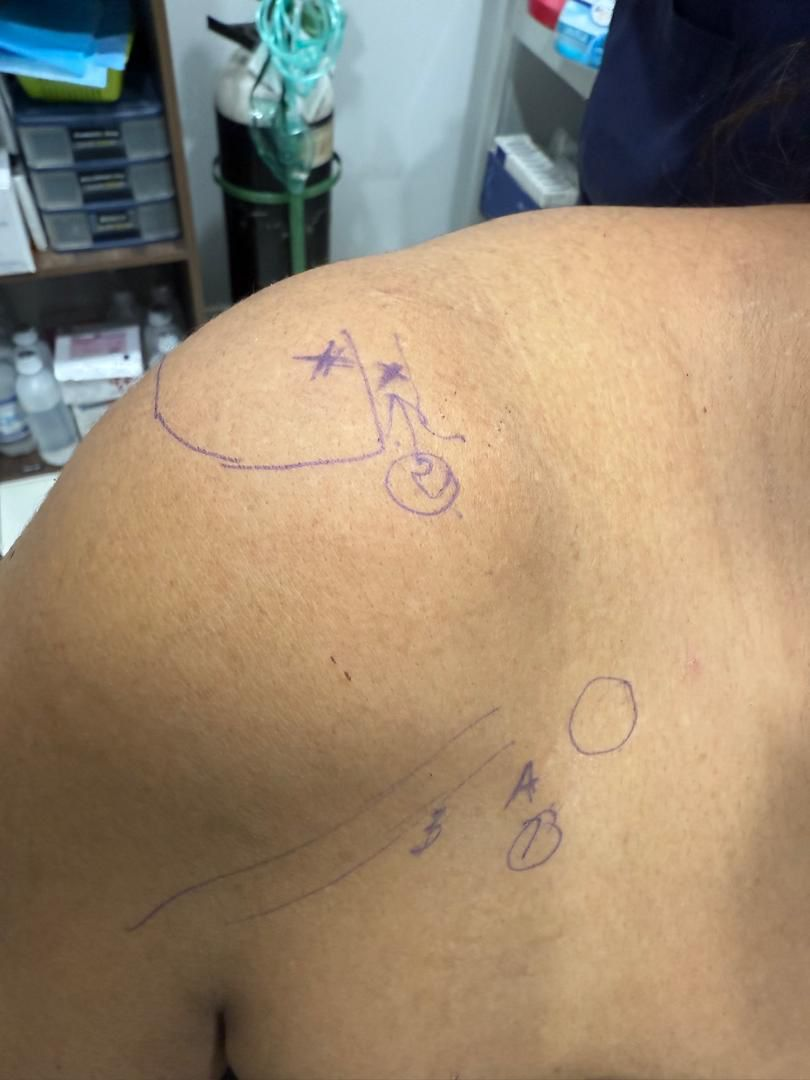
Intra-articular Steroid Injection
A precise injection into the shoulder joint capsule to dramatically reduce pain and inflammation.
Hydrodilatation
Sterile fluid injected to gently stretch the tight joint capsule, improving range of motion.
Physiotherapy & Stretching
Guided exercises to safely regain mobility after injection.
Oral Anti-inflammatories
Short-term medication for pain control during acute phase.
What to Expect
- 1Clinical Assessment
Dr. Anand evaluates the range of motion and rules out rotator cuff tear or arthritis.
- 2Diagnosis Confirmation
Frozen shoulder is largely a clinical diagnosis; ultrasound or MRI may be used selectively.
- 3Targeted Injection
Sterile in-clinic injection — the procedure takes only minutes.
- 4Rehabilitation Plan
Personalised home stretching programme to restore movement.
- 5Review & Progress
Follow-up at 2–4 weeks to assess pain and movement.